
Leading Fire Restoration Supplies To Help You Rebuild Faster
Access vital equipment and materials designed to speed up the restoration process and ensure quality results.
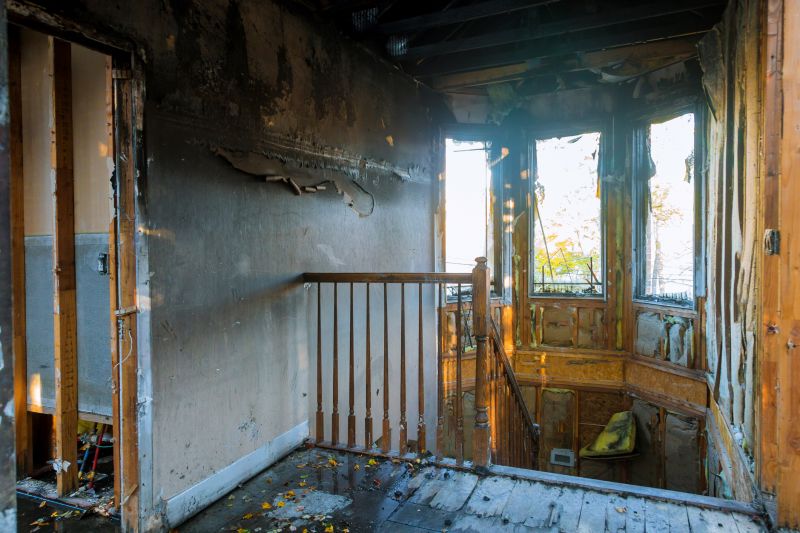 Fire restoration products are essential tools and materials used to address the aftermath of fire damage in residential, commercial, and industrial settings. These products help in cleaning, deodorizing, and repairing structures affected by smoke, soot, and heat. Proper selection of fire restoration supplies can facilitate a safer and more effective restoration process, minimizing long-term damage and restoring property integrity.
Top Overall Option
Comprehensive Fire Damage Restoration Kit
A well-rounded restoration kit typically includes a variety of cleaning agents, odor neutralizers, protective gear, and tools designed to address multiple aspects of fire damage. Such kits provide a convenient solution for both professionals and homeowners undertaking fire cleanup, ensuring they have essential supplies on hand for effective remediation.
Types of Products For Fire Restorations
Soot and Smoke Cleaners
Specialized solutions designed to remove soot and smoke residues from surfaces and materials, helping to restore cleanliness and reduce odors.
Odor Neutralizers
Products formulated to eliminate persistent smoke odors from indoor environments for a fresher atmosphere.
Air Scrubbers and Purifiers
Devices that filter airborne particles and contaminants, improving indoor air quality during and after restoration.
Fire-Resistant Drywall and Insulation
Materials designed to withstand heat and prevent further structural damage in fire-affected areas.
Sealants and Coatings
Protective layers applied to surfaces to prevent soot penetration and facilitate easier cleaning.
Thermal Imaging Devices
Tools used to detect hidden heat damage behind walls and ceilings, aiding in comprehensive assessments.
Moisture Meters
Instruments that measure moisture levels in materials to identify hidden water damage and prevent mold growth.
Protective Gear
Personal protective equipment such as masks, gloves, and coveralls to ensure safety during cleanup and repair.
Cleaning Cloths and Sponges
Absorbent and durable cloths for manual cleaning of surfaces affected by soot and smoke.
Dehumidifiers
Equipment to control humidity levels, preventing mold growth after water intrusion from firefighting efforts.
Fire-Resistant Sealants
Materials used to seal cracks and joints, enhancing fire resistance and preventing further damage.
Heavy-Duty Trash Bags
Durable bags for disposing of debris, soot-covered materials, and contaminated items safely.
Cleaning and Restoration Sprays
Multi-purpose sprays designed to disinfect and deodorize affected areas efficiently.
Electrical Safety Equipment
Tools and devices such as circuit testers and insulated gloves to ensure electrical safety during restoration.
Structural Repair Materials
Includes nails, screws, adhesives, and fasteners for repairing damaged structures.
Popular Choices
Widely used for neutralizing smoke smells in various environments, suitable for different surfaces.
Compact devices effective for improving air quality in affected spaces during cleanup.
Effective for cleaning soot from walls, ceilings, and furniture, often used in professional restoration.
Insulation materials that help maintain structural integrity and safety in fire-damaged areas.
Gels that absorb and trap odors, providing a quick solution for lingering smoke smells.
Heavy-duty cloths suited for manual cleaning in fire restoration projects.
Devices used to identify heat spots and hidden damage behind walls, aiding in thorough assessments.
Tools for detecting hidden moisture to prevent mold growth post-fire.
Essential safety gear to protect against inhaling soot and chemical fumes during cleanup.
Devices that help control humidity levels, crucial after firefighting efforts involving water.
Sealants used to prevent soot penetration and enhance fire resistance in repairs.
Durable bags for safely disposing of contaminated debris and materials.
Sprays that disinfect surfaces and help control bacteria after fire damage.
Equipment to ensure safe handling of electrical systems during restoration.
Materials needed for repairing and reinforcing damaged structures.
Restoration efforts often begin with specialized cleaning agents designed to remove soot and smoke residues from surfaces. These cleaning solutions are formulated to penetrate deeply into porous materials like wood, drywall, and fabrics, helping to eliminate odors and prevent staining. In addition to cleaning agents, odor neutralizers and air scrubbers play a vital role in improving indoor air quality by capturing airborne particles and residual smells.
Structural repairs may involve the use of fire-resistant materials such as drywall, insulation, and sealants that can withstand heat and prevent further damage. Additionally, moisture meters and thermal imaging devices are frequently employed to assess hidden damage behind walls and ceilings. These tools assist restoration professionals in developing comprehensive recovery plans tailored to each specific situation.
Choosing the right products for fire restoration depends on factors such as the extent of damage, the types of surfaces involved, and safety considerations. High-quality, durable supplies can make a significant difference in achieving thorough cleanup and effective repair. Whether for professional restoration services or DIY efforts, understanding the available products and their appropriate applications is crucial for successful fire damage recovery.
Key Buying Considerations
- Assess the extent of fire and smoke damage to determine the necessary products.
- Choose products compatible with the surfaces and materials affected.
- Prioritize safety features such as non-toxic ingredients and protective gear.
- Consider the effectiveness of odor neutralizers for persistent smells.
- Evaluate the capacity and coverage area of air purifiers and scrubbers.
- Select durable and high-quality cleaning agents to prevent further damage.
- Ensure availability of necessary tools for assessment and repair, such as thermal cameras and moisture meters.
- Think about ease of use and whether products are suitable for DIY or professional use.
- Check for compatibility between different products used in the restoration process.
- Review product labels for safety instructions and application guidelines.
- Consider the environmental conditions, such as humidity and temperature, that may impact product performance.
- Determine if additional protective gear is needed for safety during cleanup.
- Look for versatile products that can address multiple aspects of fire damage.
- Budget for essential supplies while prioritizing quality and safety.
- Research product reviews and recommendations to gauge effectiveness and reliability.